The service behind a successful business event: ‘Without it, everything falls apart’
As an event manager or office manager, you are responsible for a day that needs to mean something truly special to your colleagues and guests. You compare venues, request quotes and put programmes together. And somewhere along the way, a nagging doubt creeps in: what will the service actually be like on the day? Because even the most beautiful space in the world feels empty if the staff are passive, the tables are left dirty and guests have no idea where to go.
At InnStyle, we recognise this feeling among people thinking about the service behind a business event. We have been organising business events for clients such as Rabobank, bol. and Nike for 30 years, and what we see time and again is that the moments guests remember are rarely part of the programme itself. They are about how the venue welcomed them, looked after them and took care of everything.
I’m Tommie van Wijk, and I have worked in hospitality for more than ten years. As an operational event manager, I worked at the Johan Cruijff ArenA and the Ron Gastrobar Groep, two different types of business, both with high expectations when it comes to hospitality. I am now responsible for all event operations at InnStyle. Together with my team of event coordinators, we make 500 events a success every year.
After reading this article, you will know exactly what to look for when assessing hospitality. We explain exactly what an event coordinator does and how, as a guest, you can tell that the hospitality is genuinely up to scratch. So you can do more than book a beautiful space: you can organise an unforgettable day.

What does an event coordinator do, and why does it make a difference?
The event coordinator: directing things behind the scenes
An event coordinator is the person who makes sure you do not have to worry about anything on the day of your event. Not whether the catering is ready on time, whether the staff know what is expected of them, or whether the chairs are neatly set out in the right layout.
In short: an event coordinator makes sure every detail of the event is taken care of from start to finish, for both the guests and the client. As the event organiser, you are spared all the obstacles and anxious moments you might expect at an event.
In practice, that means preparing and thinking ahead, staying two steps ahead of what is coming. If it is raining outside, umbrellas are ready at the entrance before anyone has to ask for one. If a change to the programme or layout makes a room feel more cramped, the event coordinator opens extra doors, and if it is hot, extra water stations are added. For us, these are simple things that can create a ‘wow’ moment for a guest.
Without event coordination: what goes wrong?
A lack of effective event management can quickly create a sense of unease. It builds up through little things: a table no one wipes down, a temporary member of staff who does not know where the toilets are, a buffet that is not ready when the first guests arrive, while the client is already having palpitations.
Clients who have previously organised an event elsewhere without a clearly defined event management team often tell us the same thing: the atmosphere was lacklustre, and staff were chatting behind the bar while things were stressful out front. All these things together leave a negative impression that is hard to erase.
A good event manager prevents this through thorough preparation, by setting clear standards for the team, and by constantly coordinating with the kitchen, suppliers and client on the day itself. At InnStyle, our event managers each oversee an average of 150 events per year. That experience shows in the confidence with which they respond when something threatens to go wrong.
How do you ensure good service at a business event, from start to finish?
Tip 1: the first impression - arrival and welcome
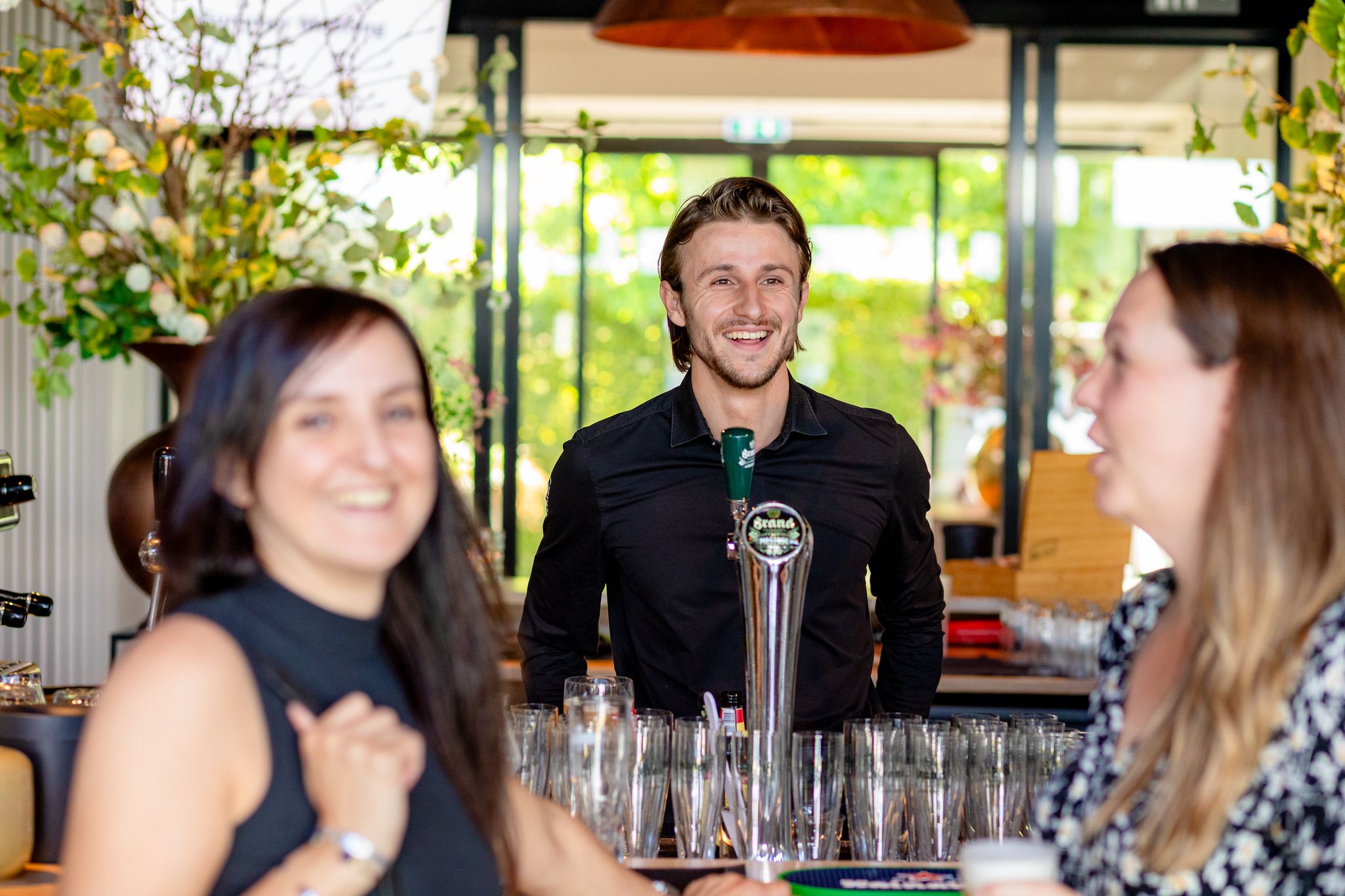
An event does not begin when the programme opens. It begins the moment a guest parks their car or steps out at the entrance. Is the venue easy to find? Is the signage clear and accurate? And as soon as the guest comes in, is someone there to welcome them with a smile?
A venue stands or falls on that first moment: is it tidy, is it well presented, and do you welcome people with a friendly face and a warm greeting such as ‘good morning, lovely to have you here’?
That feeling of being welcome is the number one priority.
What comes next - coffee, tea, a petit four - stands or falls on the tone set in those first few minutes. A surly barista makes even the best coffee less enjoyable, while a friendly team turns a standard buffet into a pleasant experience.
Tip 2: during the event - attentiveness, presence and proactivity
A good event calls for staff to be attentive and engaged. Refilling glasses before anyone asks, tidying the table after lunch before the afternoon begins, noticing someone looking around for help and approaching them proactively.
An ideal event is a day when guests do not have to think about a thing. Everything is arranged and taken care of, so they can stay fully in the flow. Ideally, they leave with this feeling: everything was taken care of for us all day, the staff were friendly, the service was good, the venue was lovely, and I genuinely took something away from it too.
Three pillars keep coming up: the venue and its presentation, the staff and service, and the food and drink. Those three need to be in balance. If one pillar falls away, you notice it, however good the other two may be.
Tip 3: saying goodbye - the last impression counts too
Something venues often forget: departure is also a moment for hospitality. Does the event manager give the client a quick update on how the day went? Do guests feel that the venue has looked after them attentively? These small gestures, a personal moment at the end, help shape how someone remembers the day and whether they return.
How do you assess the service at an event venue?
Check 1: your first impression of the space
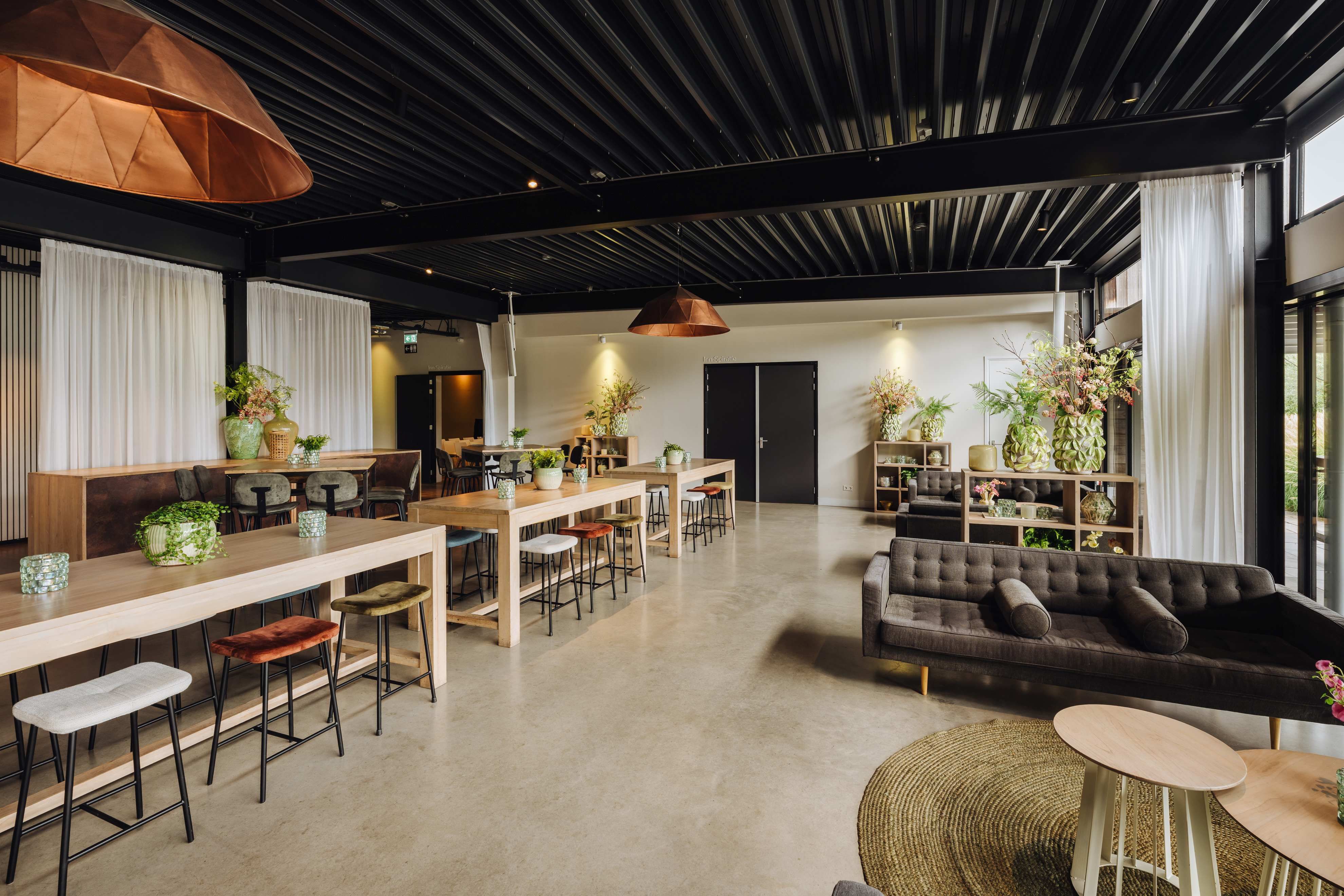
During a venue visit, the reception area is the first thing you notice. Is it tidy? Is everything attractively presented? Does it give the impression that someone has paid attention to the details? A cluttered entrance or a poorly lit space sends a signal about the standard of a venue.
Check 2: the planning process and communication
How a venue communicates before the event says a lot about how they will handle things on the day itself. Does the venue respond quickly? Do they offer ideas, or simply confirm what you ask for? Do they understand what you want, or do you have to repeat everything in detail?
This is one of the first things to check when assessing a venue: do they respond confidently to your questions and understand what you mean? The entire planning process is full of clues about how the day will unfold.
Check 3: enough facilities for your group
Is there actually enough space for your number of guests? Does the plenary room have enough space for the layout you have in mind? Can the venue offer additional rooms if needed? And are there enough toilets? These are basic questions, but all too often they only come up afterwards.
Check 4: staff - experience, attitude and standards
Ask a venue who will be on the floor on the day of your event. Are they permanent staff or temporary hires? How do they brief the team? What standards does the venue set for behaviour, presentation and communication with guests?
Venues that are vague about this probably do not have a clear answer themselves yet. Venues with good hospitality answer these questions in specific terms, including how they handle changes in staffing.
Of course, things sometimes do not go as we would like at InnStyle either. On busy days with several events running at once, staff need extra coordination, and sometimes you notice this in small things. What makes the difference is that we notice it, acknowledge it and learn from it. A venue that does not do this has a bigger problem than one less-than-perfect day.
Check 5: flexibility and problem-solving skills
What does a venue do when something goes wrong? How does the team respond to a late supplier, a technical problem or a last-minute change on your part? A team with real event management experience has several answers to these questions.
You do not just need a plan B, but ideally a C, D, E and F as well.
Some things really are beyond our control, but when that happens, we make sure we can offer the best possible solution.
Checklist: questions to ask an event venue about service
Your event, organised to be unforgettable
The difference between an event people remember and one they quickly forget rarely lies in the programme. It lies in the details guests often pick up on subconsciously: the friendly welcome, the table that was always tidy, the sense that someone was thinking ahead.
The standards and questions in this article help you assess venues on what really matters: not just the physical space, but the people and the coordination behind it.
At InnStyle, we combine 30 years of experience in business events with a team of event managers who know what that looks like in practice, from a large-scale production with hundreds of guests to an intimate board meeting. We have a real passion for hospitality, and it shows in everything: from the first contact to the moment your last guest drives home.
Want to know what we can do for your event? Request a proposal through our website today and bring the checklist from this article along to your venue visit. That way, you can ask the right questions and choose the venue that truly suits your event.