

Measuring the success of an event: how to go beyond a gut feeling
Your event has just finished and you feel good about how it went. There was laughter, people stayed on for drinks and your manager gave you a compliment when they arrived. But a few days later, you still find yourself with an empty evaluation file and the question: how do I explain the event's success to my manager or management team? What has this event actually achieved for us? After all, events are a significant investment, and the person holding the budget wants to know why you should organise business gatherings more often, and whether the money might be better spent elsewhere.
That creates tension. You have a strong sense that the event went down well, but a feeling is usually not enough to justify the budget to management. Especially at a full-service event venue like InnStyle, where you consciously choose personal support and a service that takes everything off your hands, you want to be able to justify that investment too.
In my role as an account manager at InnStyle, I, Nancy, am constantly talking to clients about their objectives and budget, even before anything has been booked. I see a recurring pattern: organisers who have not set a clear objective beforehand find it harder to demonstrate their event's success afterwards.
In this article, you will discover how to move beyond "it was a lovely day" and set an objective that lets you demonstrate the impact afterwards. You will learn which KPIs (key performance indicators: figures that show how successfully an objective has been achieved) suit your role and how to have this conversation with your venue beforehand, so you can turn that feeling into concrete information.
What is the difference between "a lovely day" and actually measuring an event's success?
Having a good time is not an objective. It is an outcome, and sometimes a welcome one, but it says nothing about what you wanted to achieve with the event or whether you succeeded. A staff day can be enjoyable without bringing two departments even a fraction closer to trusting each other. A product launch can make for a fun evening without generating a single lead.
''The difference lies in the question you ask before the event: what needs to be different after this day compared with before it?''
For a team day , that might mean that two departments that barely knew each other find it easier to connect afterwards. For a product launch , it is more likely to be a specific number of registrations or leads, or a level of media coverage.
Once your objective is clear, success becomes measurable. You no longer judge the evening by how it felt, but by whether that specific objective was achieved. And that is the story that leaves you well prepared for a conversation with your manager.
If you don't measure this, you run a number of concrete risks. Without evidence, there's a good chance you'll get less budget next year, simply because you can't demonstrate the value of the previous event. You're also more likely to repeat the same mistakes, because without honest measurement, you never know exactly what did and didn't work. And internally, you lose your credibility if "it was a lovely day" is always your only justification to a management team that thinks in numbers, not feelings.
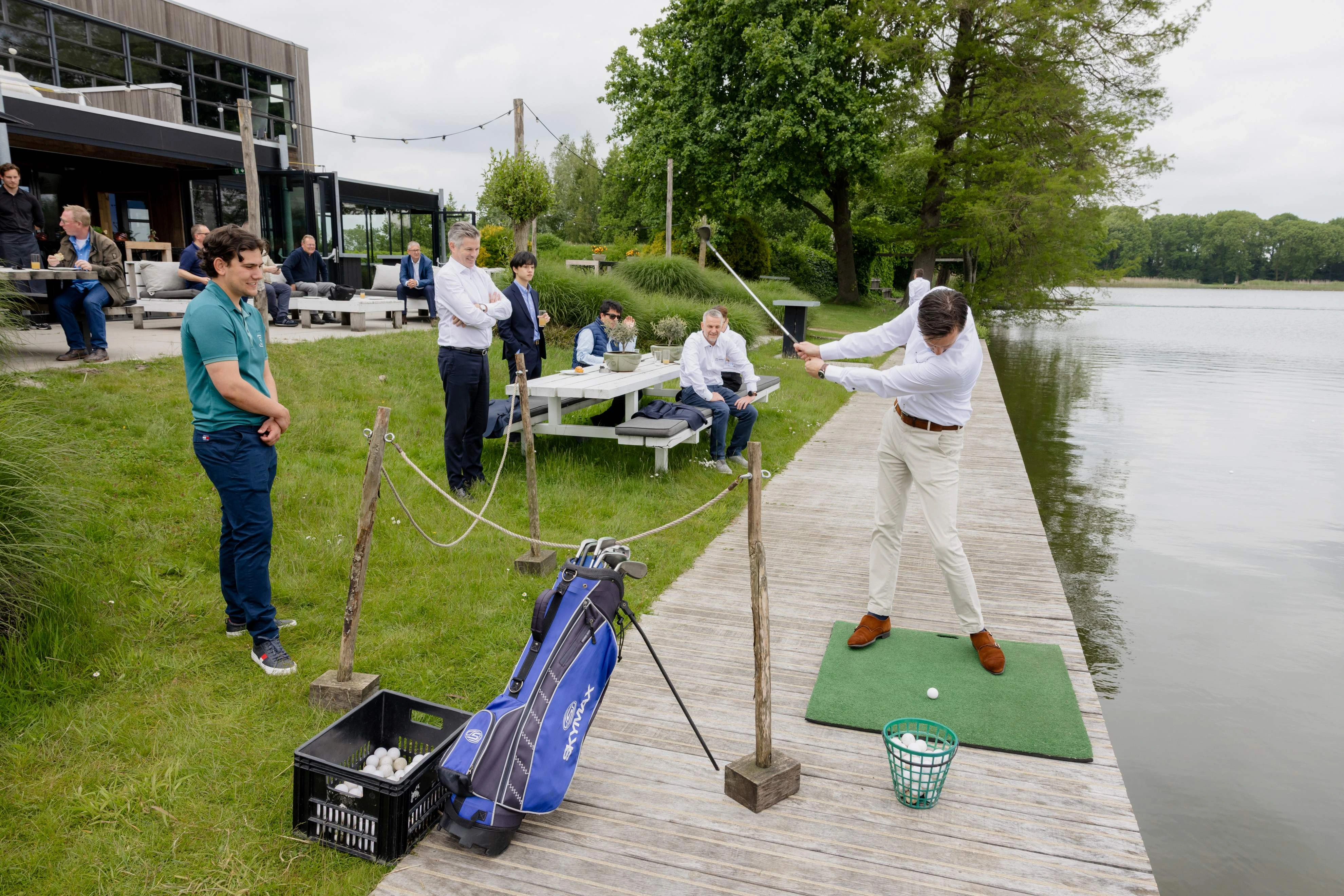
How does measuring success differ by role within the company?
Success means something different to every event organiser. This also determines which KPIs, or measures that show whether a goal has been achieved, are relevant to you. A marketing manager is assessed on different results from an office manager. If you apply one person's KPIs to another, you're measuring the wrong things and may conclude that an event was unsuccessful, even though it did exactly what it needed to do for that role.
As an event manager, you measure success by the guest experience and the level of service
If you're organising a customer day or a large corporate event, success for you is mainly about your guests' experience: did everything run smoothly and were all the details right, so guests felt at ease rather than uncomfortable? Ideally, you would translate this into a feedback form with specific ratings for atmosphere, food and drink, technical facilities, service and support, supplemented by a question such as: would you recommend working with this event venue to a colleague?
As an office manager or HR professional, you measure success by your staff's experience
For a team day or staff outing , the benchmark is different. For you, success is often about how people felt: was it an enjoyable day where the team felt valued. That feeling is real and valuable, but to justify it to your management team, it helps to make it a little more concrete. Consider a short poll afterwards (''What score would you give this day?'') or a simple question at the next team meeting, such as: ''what has stayed with you from that day?''
As a marketing manager, you measure success by the figures and publicity
If you're organising a product launch or an event with a commercial objective, the benchmark is often a set of hard marketing KPIs: the number of registrations, the number of leads generated, the media coverage the event attracted, or social media engagement during and after the event. These figures are usually already part of your existing reporting, so make sure you know in advance which figures you'll measure and how you'll collect them after the event.
These perspectives are not mutually exclusive, by the way. At larger events, they often come together: a client day benefits from a great guest experience, while management also looks at follow-up meetings or revenue. In that case, know who values which KPI within each stakeholder group in your own organisation, so you can produce a single report afterwards that answers everyone's questions.
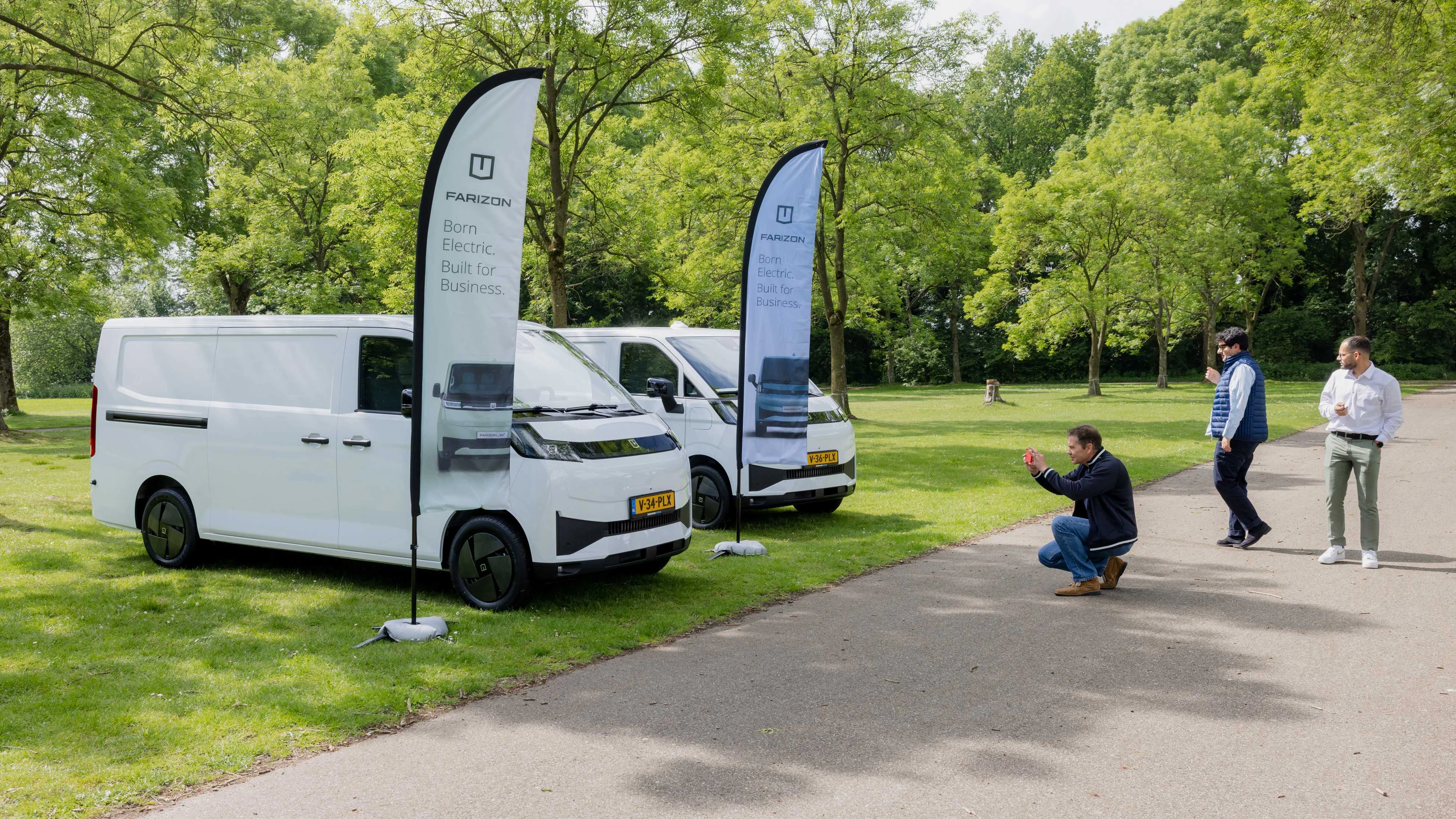
When should you discuss the aim of your event?
The best time to discuss the aim of the event is during the initial consultation, not the day after the event itself. As an account manager, I always ask about an event's objective, and not because I want to sell something. I ask because, without that information, I cannot give sound advice on the space, programme, menu or activities that would suit it.
Clients often come to us with a request such as ''We want to organise an enjoyable day for 150 colleagues,'' but they often cannot immediately articulate what the day should actually achieve. In that case, an event day may be well organised, but you still do not have a complete picture of its added value.
Do you find that you are not yet sure exactly what your aim is? Then simply start with the question I also ask clients: what should be different after this day compared with before? The answer often comes naturally once you ask that question out loud, even when you are discussing it internally with your manager or colleagues.
''The more clearly you define your aim, the more precisely we can advise on what will suit it. That way, you avoid any surprises afterwards.''
How do you check afterwards whether your goals have been achieved?
Once you have set a goal in advance, the question afterwards becomes simple: has that specific goal been achieved? Here are a few ways to assess that in practical terms, depending on your role and objective:
- Tip 1: ask your guests follow-up questions - a short feedback form afterwards gives you more insight than you might think, especially if you ask specifically about the elements that supported your objective. Do not just ask whether it was enjoyable, but, for example, "did you feel more connected to your colleagues from the other department after this day?"
- Tip 2: check your hard figures - for a product launch or commercial event, compare the registrations, leads or media coverage you forecast beforehand with the outcome. That overview is exactly what you need when reporting to management.
- Tip 3: debrief with your team - not every result can be captured in a number. A short conversation in the week after the event, asking what people remember and what they took away, often gives you the evidence you are looking for to confirm the impression you already had. Sometimes that is at least as valuable as a figure on paper, because it shows you in concrete terms what has stayed with people.
- Tip 4: compare the results with the goal you set in advance - this is the most important step. Look back at what you agreed beforehand, and assess your results against those KPIs. Otherwise, you will be assessing them without a clear direction.
Without a defined goal, you end up looking for whatever figures happen to be available afterwards, and that rarely makes for a convincing story. With a defined goal, you know in advance which data you need to collect and who to get it from. That saves you time tracking things down afterwards, and saves your manager from having to ask whether this really is the right supporting evidence.
From a feeling to a convincing story
The feeling that an event was a success is almost always right. What is often missing is the goal you should have defined in advance to substantiate that feeling afterwards.
Many people who organise events face this challenge: they can feel the success, but lack the words and figures to explain it to the person who approves the budget. By clarifying in advance what should be different after the day, and linking that goal to a KPI that fits your role, you build the story you need. Your management will often ask not only about the result, but also whether it was worth the cost. So make sure you also know how to read an event quote properly, so that you can also justify the investment itself, item by item on the invoice.
At InnStyle, we have that conversation from our very first meeting. As an account manager, I help you clarify what you want to achieve with your event in advance, so that we can recommend a programme and a venue that truly fit your goals, and you are not left with doubts afterwards.
Would you like to have this conversation yourself before requesting a proposal? Book a no-obligation chat, and we will help you think through your objective and how you can demonstrate it afterwards, right from the start.
Prefer to read more? In InnSights, we write about our vision for business events and how we like to bring them to life at InnStyle.

Nancy
Event advisor
"Behind every successful event is thorough preparation." My background in hospitality has taught me what being welcoming means in practice. At InnStyle, I combine that with the variety the role offers and working with a strong team. My favourite events are business gatherings with thoughtfully prepared food and drink: especially a walking dinner or a seated dinner. An event is remembered for its content, but also for the moments around it, and the menu plays a leading role in that.
.webp&w=3840&q=85)


