Pitching an event venue to your management team: how to convince the decision-maker
You’ve found a venue that you felt excited about straight away. The atmosphere was right, the spaces suited your programme and you could already picture the whole event. There’s just one thing: you’re not authorised to sign the agreement. Somewhere higher up in the organisation, there’s a director or management team member who approves the budget, and they’ve never visited the venue in person. Now you have to translate the feeling you experienced there into a few slides or an email with a proposal attached. Then you just have to hope that the feeling and the fit come across.
As commercial coordinator at InnStyle, I’m Tanja, and every week I speak to event managers who are in exactly this situation: excited about a venue, but unsure how to convey that enthusiasm to someone who only sees a price and a few photos. We’ve been organising business events for 30 years, and almost every week we hear how event managers get stuck at precisely this point: not when choosing the venue itself, but when they have to sell that choice internally.
In this article, I’ll take you through what can go wrong when a decision-maker isn’t involved in venue visits, when it’s best to bring them into the process, and how to give someone a real feel for a venue they’ve never visited. By the end, you’ll know exactly how to pitch an event venue to your management team, so they say "yes" not just to a price, but to the whole idea.
You’ve chosen the event venue, but you still need to pitch it to your management team
As an event manager or office manager, you’re often the person who visits the venues, compares the quotes and has the best feel for a place. But the decision rests with someone else. That puts you in an odd position: you have to convince someone of something they haven’t experienced themselves.
The conversations we have every day show that this goes wrong more often than you might think. Of every five events we help organise, around three deals are delayed or even fall through because the person who signs off the budget has never seen the venue. That figure surprises most of the event managers we speak to, because they’re already convinced that our event venue near Utrecht is the right choice. The problem isn’t the choice of venue; it’s how that choice is conveyed to someone who only sees the figures in black and white.
That gives you a dual role: you’re both the organiser and the person selling your own idea. That second part often gets too little attention, even though it’s just as important as choosing the right place.
Why decision-makers lose interest in a venue pitch
"The atmosphere, the look and feel, and the idea behind a venue are much harder to convey around a table where the discussion is mainly about figures and objectives."
When a decision-maker says "no" to a venue you’re excited about, it’s rarely because of the venue itself. Usually, something gets lost when you present it to them.
The most common scenario: the decision-maker does not know the venue and has no feel for it or any frame of reference beyond the photos on the website. If a company is organising something off-site for the first time, or allocating a larger budget to an external venue for the first time, that is already a step into the unknown. Then there is the financial side to consider as well, which carries more weight when there is nothing to back up that gut feeling.
The financial side is easy to assess on paper: there is a figure, and you compare it with another figure. The atmosphere, the look and feel, and the thinking behind a venue are much harder to convey around a table where the focus is on figures and objectives. Internally, we sometimes call it the decision-making table: it is where people calculate, not feel. We recently wrote about how to compare quotes, as that can have its own pitfalls too (how to read an event quote).
A second, less visible problem is that the person making the enquiry is sometimes left out of the decision and is not fully open with the venue. The venue then thinks things are progressing well and prepares a strong pitch, only for the event manager to come back with the news that the company has chosen something else after all, or that the focus of the entire event has changed. That is uncomfortable for the event manager, and for us it means we have created an event plan based on an idea that was never openly shared.
When should you involve the decision-maker before pitching your event venue to your management team?
The honest answer: ideally, much earlier than most event managers think.
If we notice that someone making an enquiry is still asking for extra photos or further information just a day before the quote expires, that usually tells us all we need to know. It is usually a sign that preparation has been rushed and the decision-maker has not yet been brought on board. We rarely get to speak to the decision-maker on the phone ourselves, so it is up to you as the event manager to make that connection in good time.
The ideal time is before you start comparing venues. Speak to your manager and ask a few simple questions: which region are you looking for, what budget would be appropriate, and what matters to you personally in a venue? If someone says that accessibility by public transport is an absolute requirement, you want to know that before you have requested three quotes from venues that are only easy to reach by car. That information prevents you from having to adjust your pitch later because a basic requirement has not been met.
Even more effective is to bring the decision-maker along for a site visit, or at least involve them in the initial consultation. We once gave a pitch with both the event manager and two board members at the table. When we suggested an idea for an interactive touchscreen, one of the board members could immediately confirm that it fitted the event's theme, and the decision was made that same afternoon. Without them there, that conversation would probably have had to go through another two or three people.

How to give your management team a feel for your event venue when they haven't visited
Not every decision-maker has time for a site visit, and it isn't always necessary. What does help is to make the feel of the place as tangible as possible.
Tip 1: use images and atmospheric visuals strategically
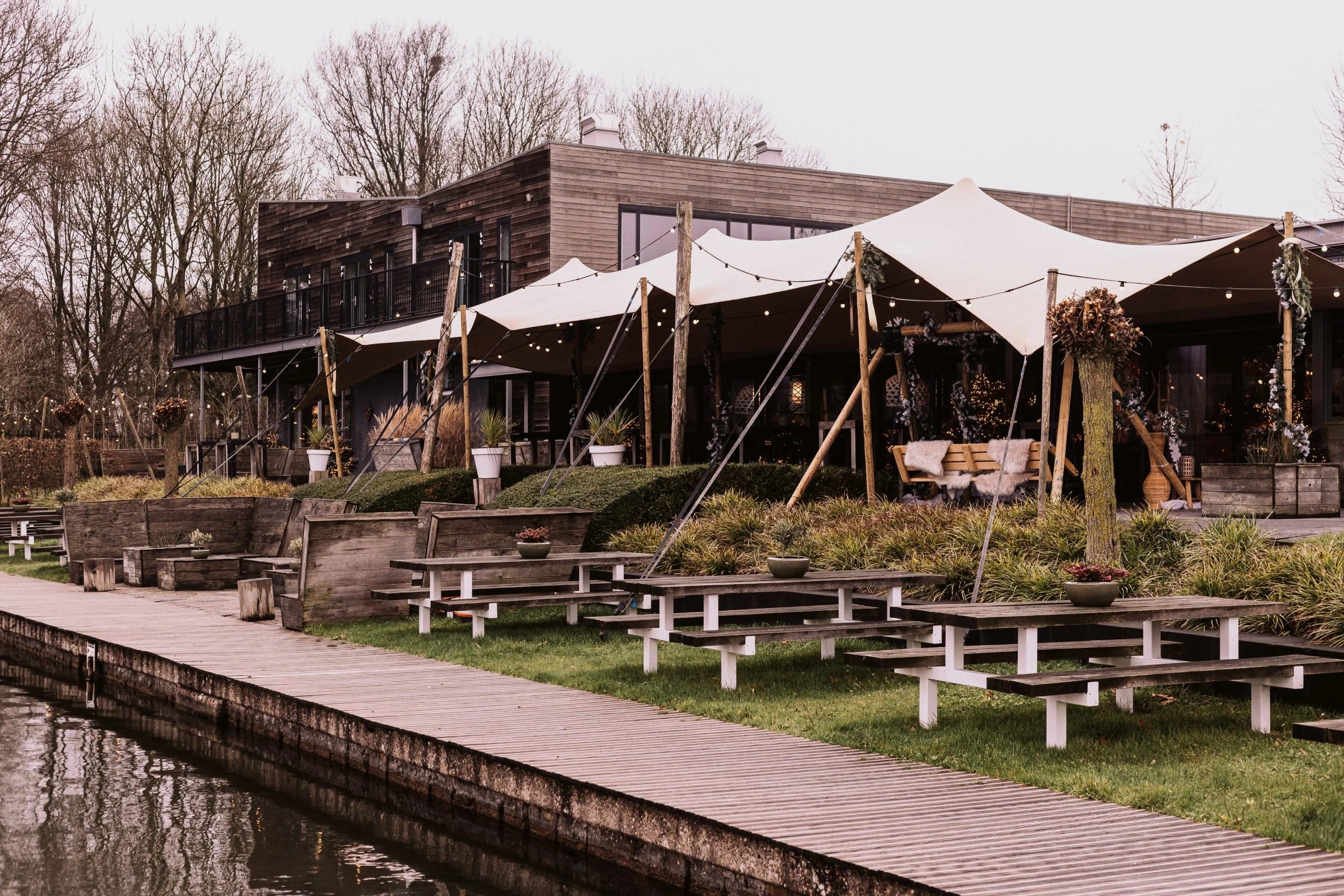
Photos and videos work best when they match the type of event. For a winter event, you want to see images of the venue in winter, not a summery scene with outdoor terraces. Ask your potential event venues for images that capture the atmosphere at the time of year you have in mind, and ask about previous events with a target audience similar to yours. This kind of information and visual material makes it easier for a decision-maker to picture a place they have never visited.
Tip 2: tell the venue's story
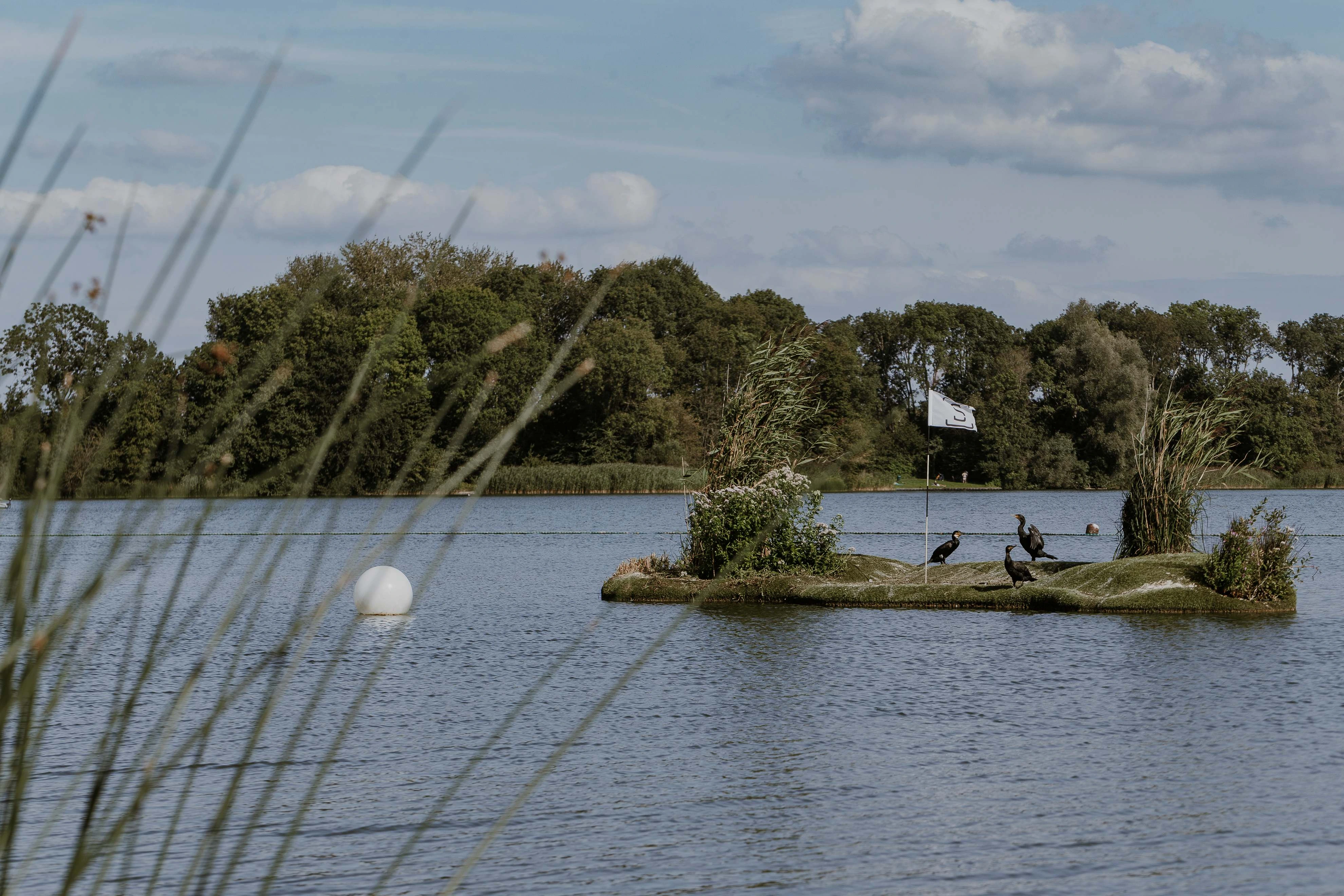
A venue is more than an address and a capacity. A waterside setting, a historic building, a sustainable approach: these kinds of features connect with people in a different way from figures. We find, for example, that InnStyle's location on the Maarsseveense Plassen gives some decision-makers that extra nudge, simply because it creates a personal connection that has nothing to do with budget, perhaps because they enjoy water sports. Look for similar points of connection for your venue too. Are you enthusiastic about it and keen to convince your management team? Then convey your own feelings and enthusiasm. That energy is infectious.
Tip 3: take them on a (virtual) tour
If an in-person visit isn't possible, a short video message or virtual tour is the best alternative. At InnStyle, for example, we are working on a personal video message that you can send with a proposal, so a decision-maker can get a feel for the venue without having to visit in person. Ask your venue whether something like this is possible, or record a short video yourself during your visit that you can share.
What should your pitch include when you propose an event venue to your management team?
"If your pitch focuses only on figures, the decision-maker won't get a feel for the venue. If it focuses only on atmosphere, they won't have anything concrete to justify the choice."
A good pitch appeals to two levels at once: the head and the heart. If your pitch focuses only on figures, the decision-maker will have no sense of the venue, and the choice will remain abstract for them. If your pitch focuses only on atmosphere and experience, that same decision-maker will have nothing concrete to justify the choice to their own manager or the board.
Part 1: the business case (ROI, reputation, practical considerations)
Always start with the business case, because that is what everyone looks at first. What is the event’s objective, and how does this venue contribute to it? What are the costs, and what exactly do they include? Add practical aspects such as capacity, accessibility and, if relevant, sustainability, particularly if it aligns with your organisation’s policies. This part needs to be accurate and complete, because a decision-maker who has doubts about the figures will immediately dismiss the option.
Part 2: the emotional case (experience, look and feel, brand fit)
Once the business foundations are in place, you can add atmosphere and emotion. Explain how the venue fits your organisation’s theme and image. Think too about how you want your guests to feel during the event: welcome, inspired, surprised, relaxed, and describe specifically how the venue contributes to that. A space with plenty of daylight and views over the water has a different effect from a conference hall without windows, and that difference is reflected in how guests experience and remember the day. We wrote about choosing between venue types here. Think of it like booking a trip: if you compare on price alone, the added value of a unique place gets lost. An event is no different. The emotional element is what sets a pitch apart from a simple price comparison.
Answers to the questions they are bound to ask
A decision-maker almost always asks the same questions. Make sure you have these answers ready before you pitch:
- What exactly is included in the price?
- Is this the full cost, or will there be anything extra?
- Why is one quote more expensive than another?
Also address potential issues that you can resolve in advance, such as unexpected costs. We have seen a group at another venue caught out by separate parking charges afterwards, which came as an unwelcome surprise. If you proactively raise points like these in your pitch, or even ask your venue about hidden costs in advance (read more here about everything involved in a quote), you remove uncertainty before it has a chance to grow.
Common mistakes when pitching an event venue
- Mistake 1: starting too late - if you only involve your decision-maker a day before the deadline, you will have no time left to put together a good pitch and will have to improvise with whatever happens to be available.
- Mistake 2: you compare venues that are not comparable - if one quote includes everything, including staff and food, and the other only covers venue hire, you are effectively comparing two different products. Ask for the same items in every quote so that you can make a fair comparison.
- Mistake 3: you negotiate your own budget down before the conversation has even started - some enquirers tell event venues they have a lower budget than is actually available internally, out of a habit of negotiating. We recently heard about someone who quoted a lower figure themselves in this way, even though the actual budget was much higher. That backfires: the lower you make your own budget appear, the smaller and more basic the proposal you receive, whereas you could have used the amount you really had available for a more comprehensive or better-suited proposal that also better meets the management team's wishes.
If you have an event plan put together that reflects what your guests are worth to you, you immediately make a stronger impression too: you take your event seriously, and that influences how a decision-maker views your proposal.
How InnStyle helps you get the decision-maker on board
At InnStyle, we try to make it easier for you to put your plans in terms that matter to your decision-maker. Every proposal we send includes not just prices, but also a specific piece of additional advice you can use straight away in your pitch: a tip on the programme, a suggestion for an activity, or a link to relevant information. This is designed to help you take that extra step with your decision-maker, without having to come up with everything yourself.
We are also working on personal video messages that you can send along with the proposal, so your decision-maker gets a feel for the venue's advice without having to visit in person. And if we notice during the initial consultation that an event manager does not yet have all the answers, such as the exact budget or precise requirements, we actively help you work out what else you can ask your own organisation before moving forward.
From an exciting plan to an approved venue
"A venue choice that feels right to you is not automatically a proposal that gets approved."
The difference lies in how much time you spend framing your plans for your decision-maker, and how early you involve them.
Do you recognise that feeling of being convinced yourself, but not quite knowing how to convey it to someone who has never seen the venue? Then start with a simple conversation beforehand: ask about the region, budget and what your decision-maker personally considers important, and use those answers to sharpen your comparison and your pitch.
As commercial coordinator at InnStyle, I help event managers with exactly these kinds of conversations every day, from the initial consultation to the moment you pitch your event venue to the management team.
Would you like to read more? This article explains how to compare quotes from different venues fairly, so you can present a well-supported case to your management team.
Would you like to discuss your choice of venue, or find out how we can help you with a quote that convinces your decision-maker? Arrange a no-obligation venue visit or request a proposal through our website. We’ll then work with you to find the best way to present your case.

Tanja
Commercial Coordinator
"Hospitality starts with you." I have a broad background in hospitality: from working on the restaurant floor to roles as a sommelier, host and account manager. At InnStyle, I bring all that experience together in the sales process, from the first contact to an event that perfectly reflects what a client wants to convey. My favourite events are client events, where you work with the client to give their guests the VIP treatment and help shape what you want them to take away. The best moment is when you click with a client who gets excited about your ideas.